Generic 32" LED TV Board - Universal Capacitor Plague Fix
Generic 32-inch LED power supply board used in TCL, Skyworth, Synix, and other brands. Same failure pattern across all brands, same permanent fix with quality components.
Symptoms
- TV won't turn on (dead, no standby light)
- High-pitched whining noise from power supply
- Intermittent power (works sometimes, not others)
- Multiple brands affected: TCL, Skyworth, Synix, Vision+
Diagnosis
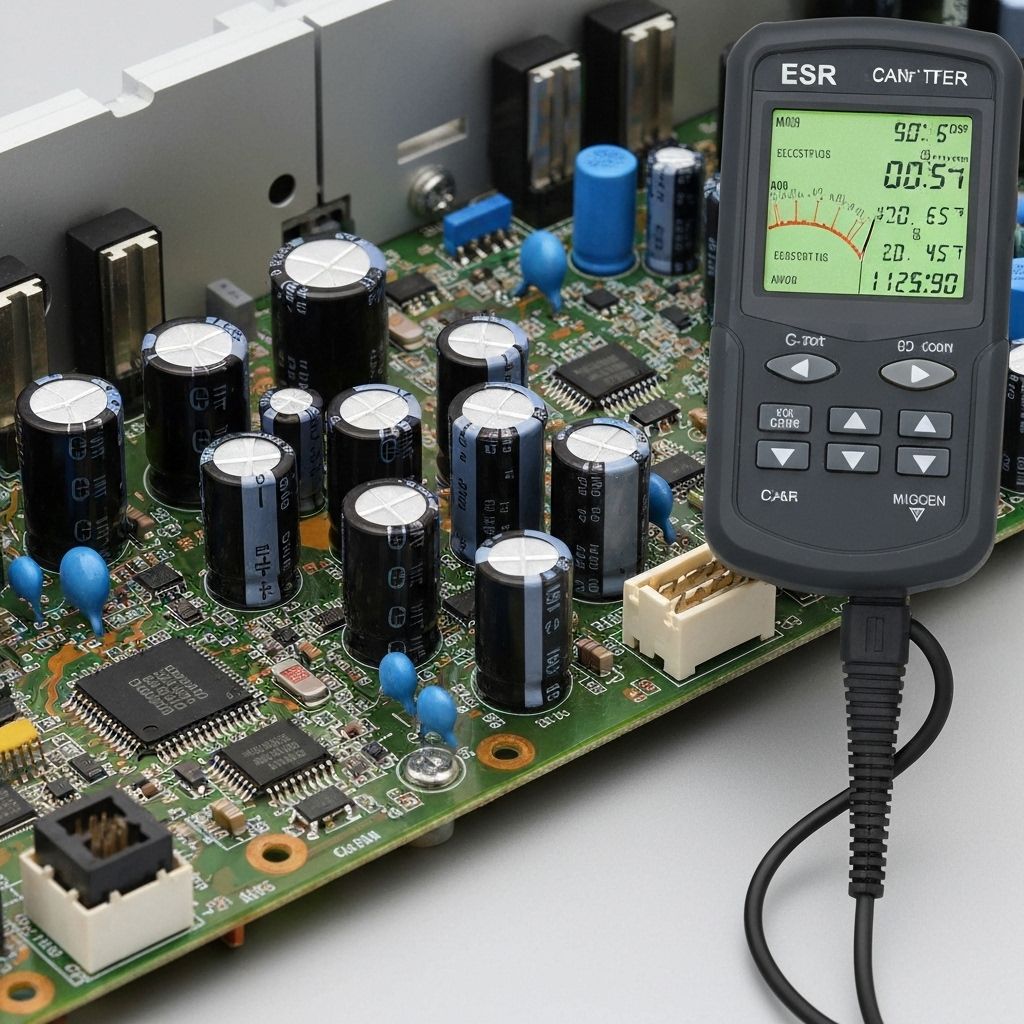
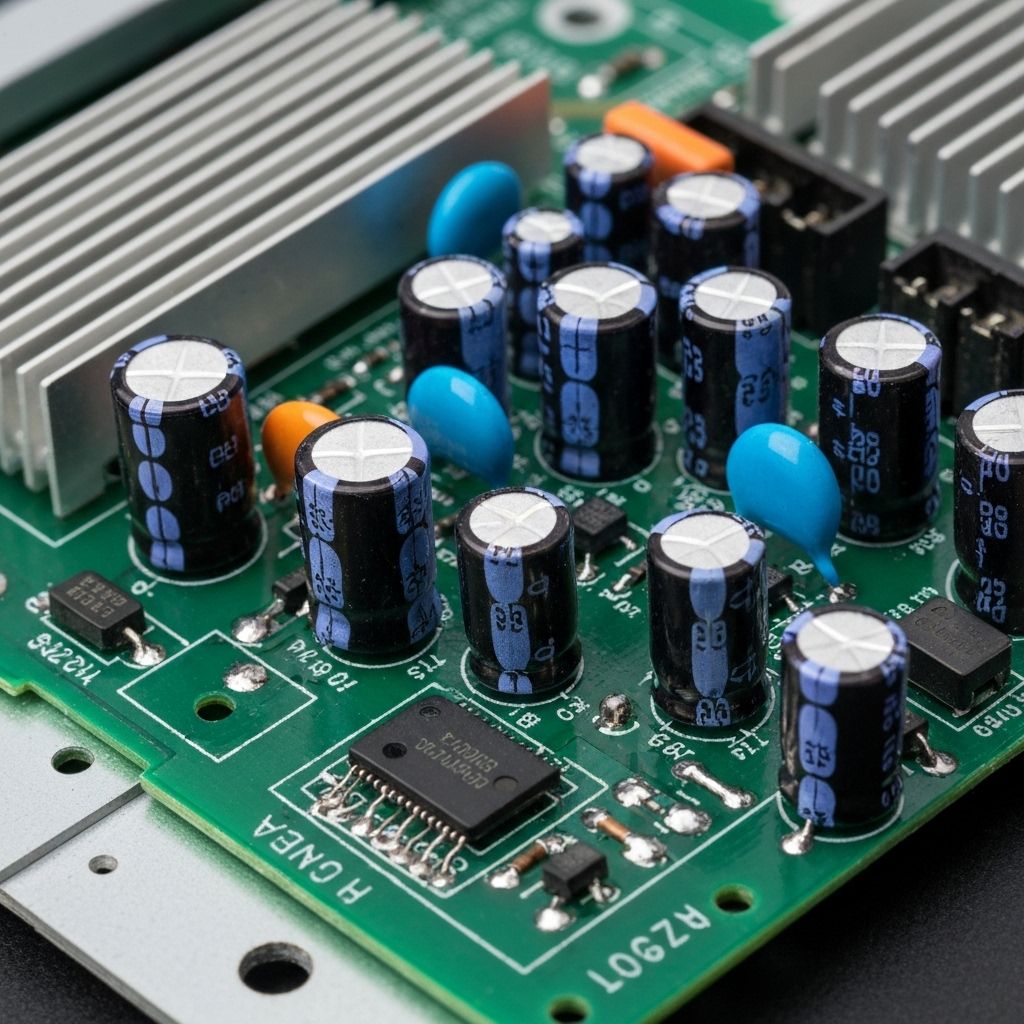
Many budget TV brands (TCL, Skyworth, Synix, Vision+, Hisense) use the same generic power supply boards manufactured by a few Chinese suppliers. These boards have a well-documented design flaw: they use cheap 85°C capacitors in the secondary side filtering circuit where 105°C capacitors should be used. The board model is usually marked as 'MP118FL' or similar. After 2-4 years of use, the capacitors fail in a predictable pattern. The whining noise is caused by high ESR capacitors allowing AC ripple on the DC rails, which causes the transformer to vibrate audibly. Visual inspection showed several capacitors with slightly domed tops (early bulging). ESR testing confirmed 6 out of 8 secondary capacitors had ESR above 5Ω (should be under 1Ω). This is a 'capacitor plague' - a batch of defective capacitors used across thousands of TVs. The fix is simple: replace ALL secondary side capacitors with premium 105°C parts.
- Soldering Iron 60W+
- Desoldering Pump
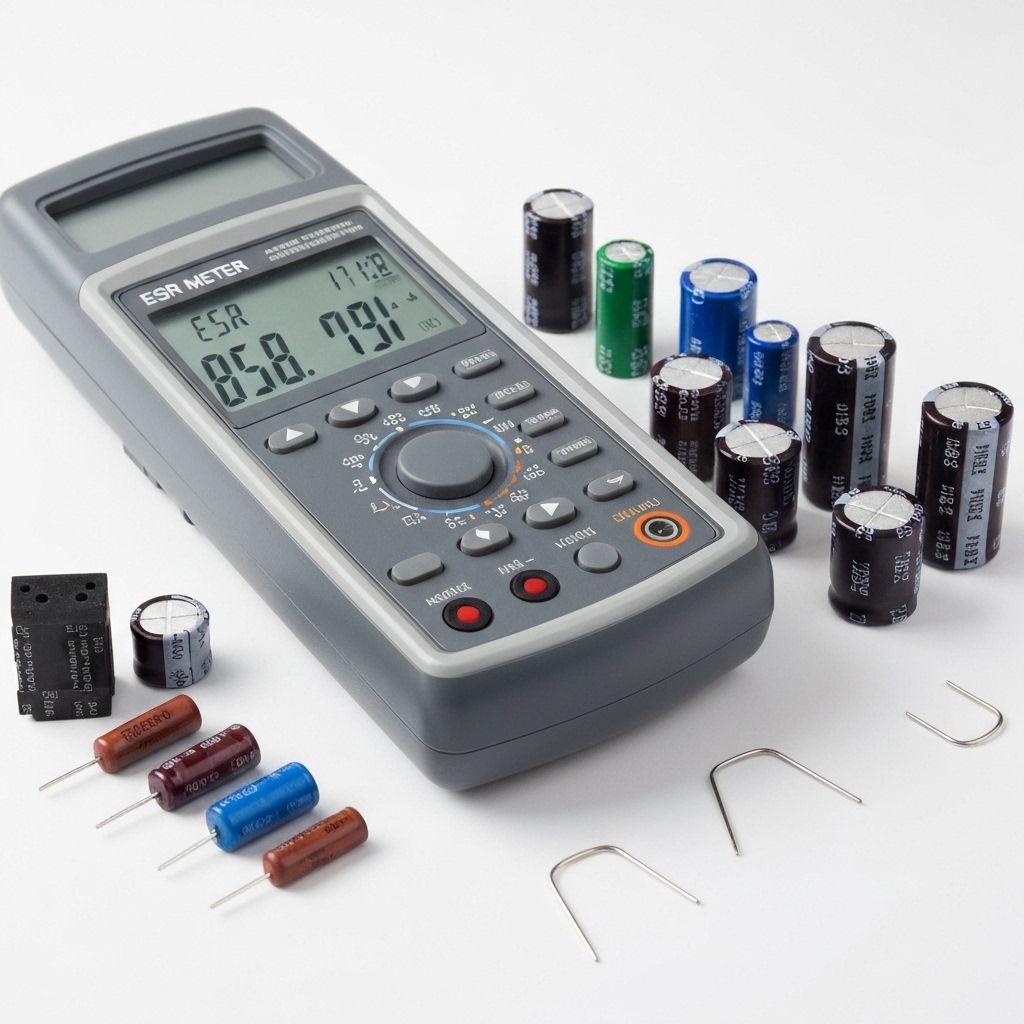
- ESR Meter (optional but helpful)
- Flux Pen
- Wire Cutters
- Multimeter
- Electrolytic Capacitors470µF 25V 105°C Low ESRNeed 4 pieces - secondary filtering
- Electrolytic Capacitors1000µF 16V 105°C Low ESRNeed 2 pieces - secondary filtering
- Electrolytic Capacitors220µF 35V 105°C Low ESRNeed 2 pieces - secondary filtering
Repair Process
Identify the Generic Board
Remove the back cover and locate the power supply board. Look for the model number - usually 'MP118FL', 'MP116', or similar. These boards are used in dozens of TV brands. Take a photo of the board layout for reference. Identify the secondary side (the side with smaller capacitors, usually 8-12 electrolytic caps in the 220µF-1000µF range).
Test Capacitors (Optional but Recommended)
Use an ESR meter to test each secondary capacitor. Mark the ones with high ESR (above 3Ω). In practice, if you're doing this repair, replace ALL secondary capacitors regardless of ESR readings - they will all fail eventually. It's not worth doing the repair twice.
Remove All Secondary Capacitors
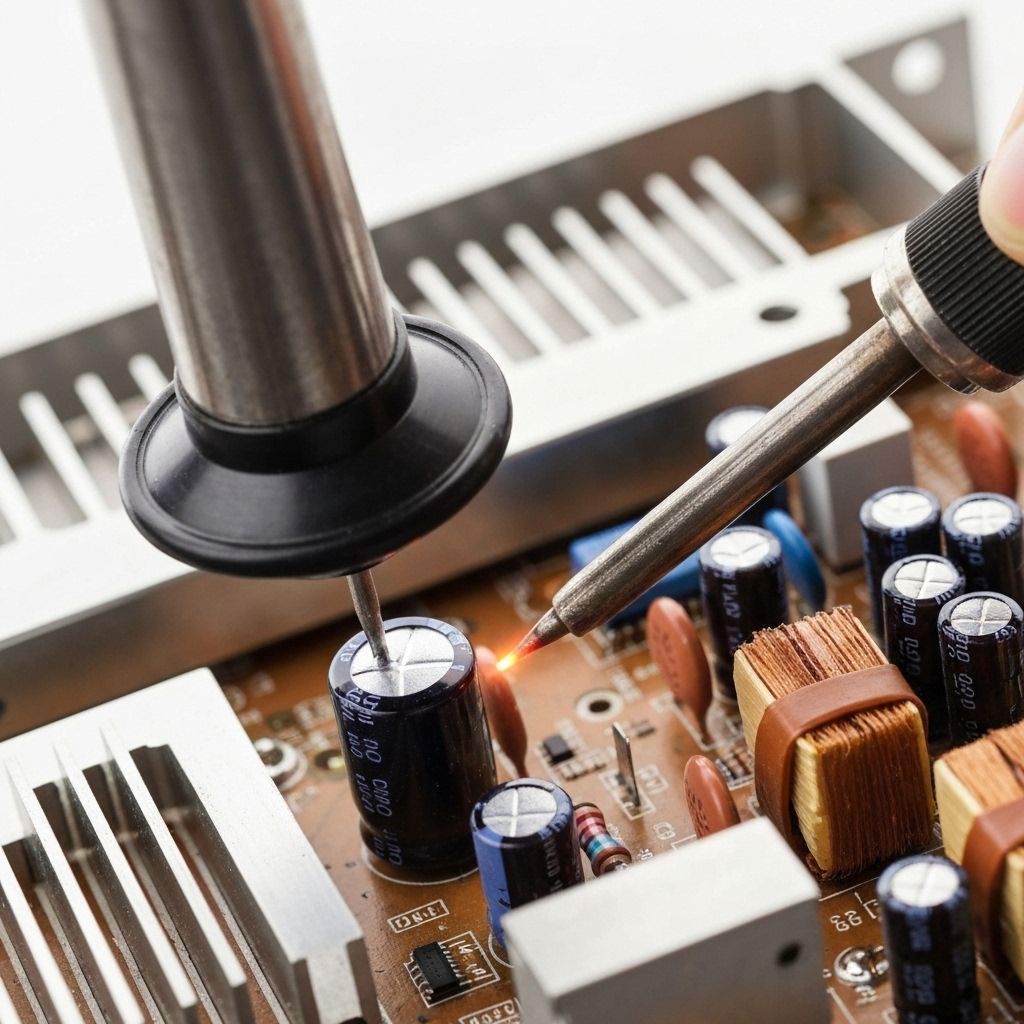
Desolder all electrolytic capacitors on the secondary side (typically 8-12 capacitors). Note the polarity carefully - take photos if needed. The stripe on the capacitor indicates negative. Add fresh solder to each joint to help the old lead-free solder flow, then use a desoldering pump to clear the holes.
Install Premium 105°C Capacitors
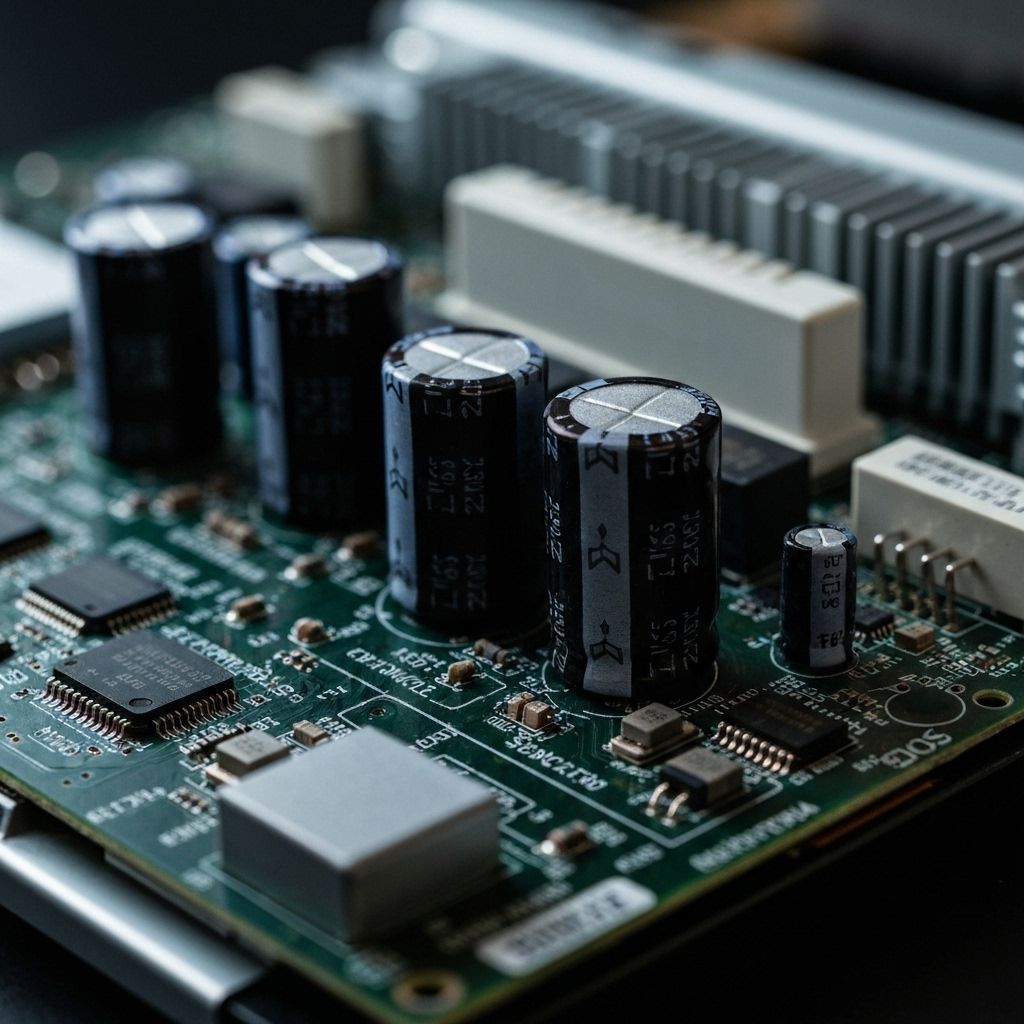
Install new 105°C low-ESR capacitors in all positions. Use Nichicon, Panasonic, or Rubycon brands - these are Japanese manufacturers with excellent quality. The 105°C rating is critical - these capacitors will last 2-3x longer than the original 85°C parts. Verify polarity, solder in place, and trim leads flush with the board.
Test and Document
Plug in the TV and power it on. The whining noise should be completely gone. The TV should power on immediately with a bright standby light. Let it run for 1-2 hours to ensure stability. Document the repair with photos - if you're a repair shop, this is a common repair you'll do many times. Consider keeping a kit of these capacitors in stock.
Conclusion
This is one of the most common TV repairs worldwide. The same generic power supply board is used in millions of budget TVs, and they all fail the same way after 2-4 years. Once you've done this repair a few times, you can complete it in 20-30 minutes. Total parts cost: $8-12. This repair is so common that some technicians buy these capacitor kits in bulk (100+ sets) and keep them in stock. Pro tip: When customers ask 'is it worth repairing?', the answer is YES for this issue - it's cheap, quick, and the TV will last another 5+ years with premium capacitors. This is also a great entry-level repair for learning soldering skills.